
Key Takeaways
- Data-driven signal monitoring enhances traffic management efficiency and safety.
- Integration of advanced technologies such as AI and IoT is transforming urban mobility.
- Collaborative data sharing among agencies leads to more informed decision-making.
Urban areas around the world are experiencing rapid growth, leading to increased pressure on public infrastructure. Local governments must find effective ways to manage traffic flow and ensure residents’ safety. One innovative approach that is rapidly gaining momentum is data-driven signal monitoring.
By utilizing real-time data, this method empowers municipalities to make faster, smarter decisions that optimize both safety and efficiency. Cities can better predict congestion, adapt more quickly to incidents, and improve overall transportation outcomes for their communities.
Cutting-edge solutions like cellular monitoring systems play a pivotal role in this transformation. These systems gather data from connected vehicles and infrastructure, enabling precise monitoring of traffic signals and better coordination across city environments. Ultimately, this data-driven approach leads to smoother traffic, fewer delays, and a safer experience for everyone traveling in urban spaces.
The Role of Data in Modern Traffic Management
For decades, traditional traffic management relied on fixed signal timings and manual oversight. While these systems served their purpose, they often failed to account for the dynamic nature of city traffic.
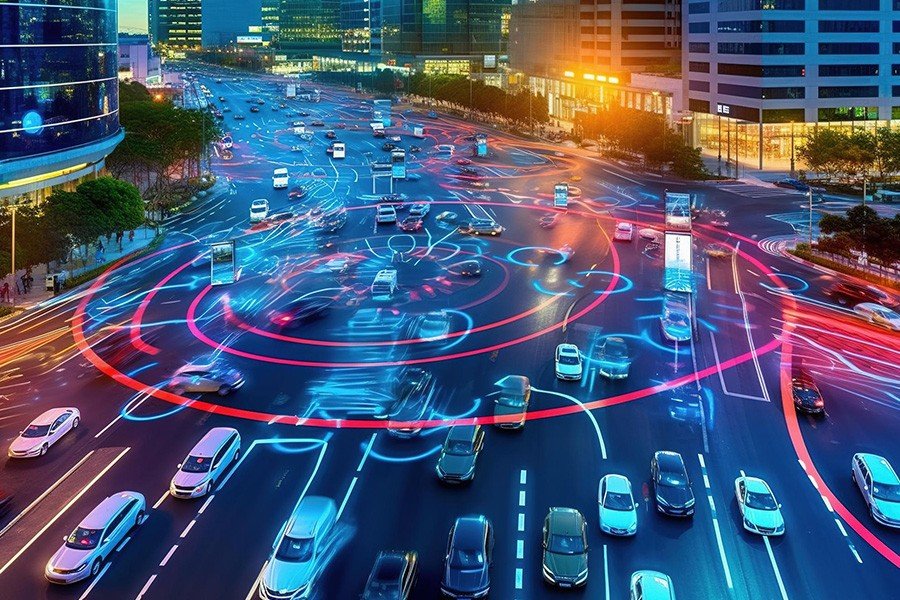
Data-driven signal monitoring marks a significant evolution by introducing adaptive traffic controls that respond to real-world conditions in the moment. Traffic sensors, cameras, and smart devices collect streams of information about vehicle volumes, journey times, and even weather conditions. Municipal traffic centers leverage this data to adjust signal phases, reroute vehicles, and prevent gridlock more efficiently than ever before. This shift is especially vital as post-pandemic cities grapple with new patterns in commuting and travel behavior.
Better data leads to better traffic outcomes, from reducing stop-and-go congestion to minimizing emergency response delays. Cities deploying these solutions report measurable improvements in metrics such as reduced travel times, lower fuel consumption, and fewer collisions at busy intersections. Data is not only used for immediate management but also for long-term planning and infrastructure investment decisions.
Technological Innovations Enhancing Signal Monitoring
The synergy of emerging technologies is fueling rapid progress in traffic signal monitoring. The Internet of Things (IoT) connects hardware, such as traffic lights, road sensors, and cameras, into a unified network.
These devices send real-time updates to centralized management platforms, providing a holistic view of urban mobility patterns. Artificial intelligence (AI), meanwhile, sifts through this data and uses sophisticated algorithms to predict congestion, identify accidents, and optimize routing.
AI-powered solutions are already in place in many leading cities, adjusting traffic signals in response to changing demand throughout the day. For example, machine learning models can determine which intersections need longer green phases during rush hour and allocate red lights only where needed.
IoT-enabled communication between city buses, ambulances, and traffic lights can grant priority passage to emergency vehicles, supporting faster, safer response times. These innovations are the backbone of the next generation of smart cities.
Collaborative Data Sharing Among Agencies
One of the greatest strengths of modern signal monitoring lies in collaborative data sharing across administrative boundaries. City planners, law enforcement, emergency services, and transportation departments all benefit from open, secure sharing of traffic-related information.
When agencies pool their data resources, they develop a more comprehensive understanding of the factors shaping urban mobility, from accident hotspots to patterns of public transit usage.
This approach fosters coordinated responses to large-scale events, road works, and daily rush hour surges. Early adopters have found that transparent data sharing breaks down bureaucratic silos and fosters trust among stakeholders. Cross-agency collaboration also supports public transparency, as communities demand more insight into traffic decisions that impact daily life.
Real-World Applications and Success Stories
Cities around the world are already reaping the benefits of integrating data-driven traffic systems. For instance, several municipalities in the United States have implemented adaptive traffic signal control, reporting significant reductions in average commute times and fewer accidents.
Cities such as Pittsburgh and Los Angeles have piloted AI-driven algorithms that dynamically recalibrate traffic signal timings, cutting through historical traffic snarls and making urban environments safer and more reliable for drivers and pedestrians alike.
Internationally, Singapore and Copenhagen are widely recognized for deploying real-time monitoring platforms that synthesize data from public transit, cycling, and car traffic, adapting services to residents’ needs. These examples point the way forward for smaller cities and towns, demonstrating that investment in smart infrastructure yields both immediate and long-term payoffs.
Challenges and Considerations
No innovation comes without obstacles. For local governments, launching a successful data-driven signal monitoring system can require substantial infrastructure investment, robust cybersecurity measures, and clear policies on data privacy. Given the sensitive nature of mobility data, cities must ensure compliance with regulations and be transparent with the public about how information is collected and used.
Equally important is the development of skilled staff who can interpret data, refine algorithms, and troubleshoot emerging problems. Ongoing training and stakeholder engagement are key components of sustainable, technology-driven traffic solutions.
Future Prospects and Developments
The horizon for data-driven signal monitoring continues to expand, with new technologies and applications on the way. Machine learning algorithms are poised to offer even more precise predictions of traffic surges, weather-related disruptions, and special events.
The surge in big data analytics will allow city leaders to simulate traffic under different development scenarios, supporting smarter zoning and infrastructure investment. Advances in vehicle-to-infrastructure communication promise even tighter integration between private vehicles, public transit, and roadways, making real-time adaptive control more powerful and accessible than ever before.
Conclusion
With data-driven signal monitoring, cities are ushering in a new era of efficient, responsive traffic management. By embracing interconnected technologies and fostering collaboration among agencies, local governments can significantly reduce congestion, enhance public safety, and promote a better quality of life.
As innovations in AI and IoT evolve, cities that stay agile and informed will be best positioned to lead in the next generation of smart, sustainable urban mobility.
