
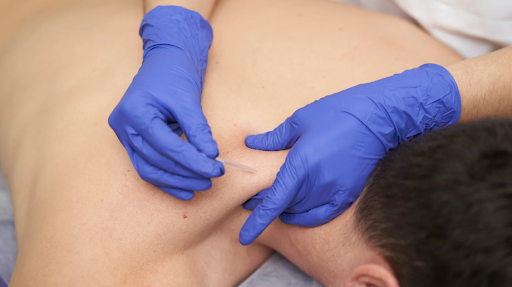
In today’s evolving field of physical rehabilitation, dry needling has emerged as a powerful adjunct to traditional physical therapy. By targeting muscle trigger points and stimulating the body’s natural healing mechanisms, dry needling accelerates recovery and enhances treatment outcomes. When performed by trained professionals, dry needling in Atlanta helps relieve chronic pain, restore mobility, and support overall musculoskeletal balance.
Understanding Dry Needling
Dry needling is a therapeutic technique that uses fine, sterile needles inserted into specific points in the muscle, known as trigger points. These are areas where tightness or tension causes pain, stiffness, or restricted movement. The goal of dry needling is to release these knots, improve blood flow, and stimulate the body’s natural pain-relieving processes.
Unlike acupuncture, which is rooted in traditional Chinese medicine, dry needling is based on modern anatomical and neurological principles. It focuses directly on the muscles, tendons, and connective tissues to restore proper function and reduce pain caused by overuse or injury.
Integrating Dry Needling into Physical Therapy
When combined with physical therapy, dry needling becomes a comprehensive approach to pain management and recovery. Physical therapists use this method to complement manual techniques, stretching, and exercise-based rehabilitation. By releasing muscle tension through needling, patients can perform therapeutic exercises more effectively, promoting faster healing and improved range of motion.
This integration also helps in addressing deep muscle layers that manual therapy alone may not reach. The treatment accelerates tissue repair and reduces inflammation, allowing the body to recover more efficiently. In many cases, patients experience noticeable relief after just one or two sessions, especially when dry needling is strategically paired with targeted physiotherapy exercises.
Conditions That Benefit from Dry Needling
Dry needling can be applied to treat a wide range of musculoskeletal conditions. It is especially effective for chronic pain, sports injuries, postural imbalances, and tension-related headaches. Patients with conditions like tendinitis, sciatica, or muscle spasms often find that dry needling provides quick relief from discomfort while improving mobility.
Incorporating this technique into physical therapy not only addresses pain but also enhances performance and prevents future injury. Athletes, in particular, use dry needling to maintain muscle flexibility and accelerate recovery following intense training sessions or competitions.
The Science Behind Its Effectiveness
The physiological effects of dry needling stem from its ability to stimulate muscle fibers and activate the nervous system. The insertion of the needle triggers a local twitch response, which helps reset muscle tone and reduce neuromuscular tension. This process promotes oxygenation and nutrient flow to the treated area, speeding up the healing process.
Furthermore, the brain releases endorphins and other neurochemicals that modulate pain perception. By understanding the benefits of dry needling, patients can recognize how consistent therapy sessions contribute to long-term improvements in pain management, movement efficiency, and overall tissue recovery.
Conclusion
Dry needling has become an invaluable complement to physical therapy by addressing both the symptoms and root causes of muscular pain and dysfunction. Its ability to release tension, promote circulation, and restore optimal muscle performance allows patients to recover faster and sustain long-term results. When integrated into a structured rehabilitation plan under professional supervision, dry needling serves as a catalyst for enhanced healing and lasting physical wellness.
