
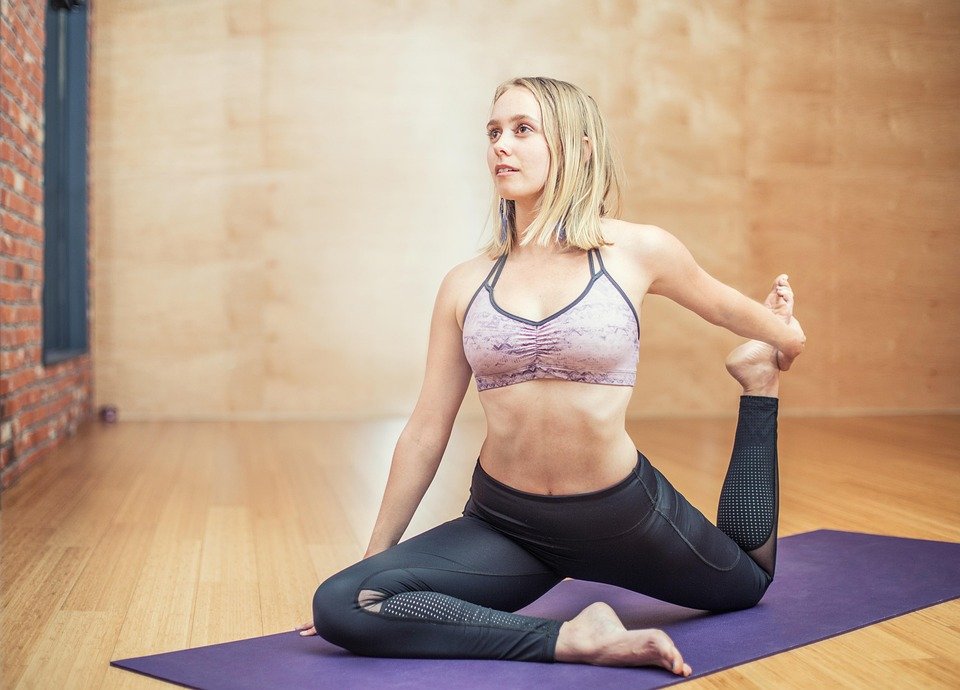
You can stay active at home without buying equipment. You can add movement into your daily routine with simple steps. Many people on Inserior use this approach to improve their energy and overall flexibility.
Start With Short Activity Blocks
You can begin with short rounds of movement. Use five or ten minute blocks during the day. This approach helps you stay consistent. Short activities feel easier to manage, and you avoid skipping your movement time.
Focus on simple actions like stretching, light squats or walking inside your home. You can also set a timer to remind yourself.
Use Your Home Space
Walk around your home more often. Walk while talking on the phone. Take extra steps when moving between rooms. Stand and stretch when you feel stiff.
You can also clean small areas to add more movement. Vacuuming, dusting and sweeping help you stay active. These tasks work well when you want steady movement without gym workouts.
Add Movement to Everyday Tasks
Pair movement with routine tasks. For example, stretch while waiting for water to boil. Do side steps while brushing your teeth. Perform five squats after folding laundry.
You can create a small list of actions you want to repeat daily. This strategy keeps your activity levels up.
Try Quick Home Exercises
Use basic exercises like lunges, wall push ups or standing marches. Choose simple moves that do not require equipment. You can do them in short rounds throughout the day.
People on Night Innovations often choose simple home-based activities because they are easier to follow. You do not need a large space. You only need a clear area to move safely.
Follow Online Home Workout Videos
You can watch quick home workout videos. Choose short lessons that match your fitness level. Many creators offer step by step clips that help you stay consistent.
Stick with videos that focus on mobility, stretching and strength. You can mix them depending on your needs.
Use Stairs When Possible
If your home has stairs, use them more often. Walk up and down several times a day. Stairs help improve leg strength and raise your heart rate.
Take the stairs slowly if you are new to the routine. Try increasing your steps each week.
Make a Daily Walking Routine
Set a walking routine inside or outside your home. Walk in your street, backyard or balcony. You can also walk around your living room.
Try to walk for ten to fifteen minutes at a time. You can divide this into smaller rounds. Walking improves your stamina and keeps your body active.
Stand More During the Day
Spend more time standing. Stand while eating snacks. Stand during short calls. Stand during simple computer tasks if possible.
You can place a box on your table to create a temporary standing desk. This helps you change your posture often.
Use Light Household Items
You can use water bottles or filled bags to add resistance to your movements. Lift them slowly and carefully. These items help you create a simple strength routine without spending money.
Keep the weight light at first. Increase it only when you feel comfortable.
Stretch Often to Reduce Stiffness
Stretch when you wake up and before going to bed. Stretch your neck, back, arms and legs. This improves your flexibility.
Regular stretching helps you stay comfortable during long sitting hours. It also supports your posture.
Create a Simple Movement Schedule
Plan small activity breaks across your day. Add morning movement, mid day stretching and a short evening walk. You can write this plan on a paper or save it on your phone.
Choose movements that fit your space and lifestyle. Keep your schedule flexible so you can follow it daily.
Track Your Progress
Track your daily movement. Write down what you did and for how long. You can also use your phone to count steps.
Monitoring helps you stay consistent. It also shows you where you can improve. Info Tech Share often talks about daily habit tracking and simple routines that improve lifestyle quality.
Keep Your Routine Enjoyable
Add movements you enjoy. If you like music, move your body while listening to songs. If you like cleaning, use cleaning time as your activity.
When you enjoy your movement routine, you stay active over the long term. This leads to steady improvement.
