
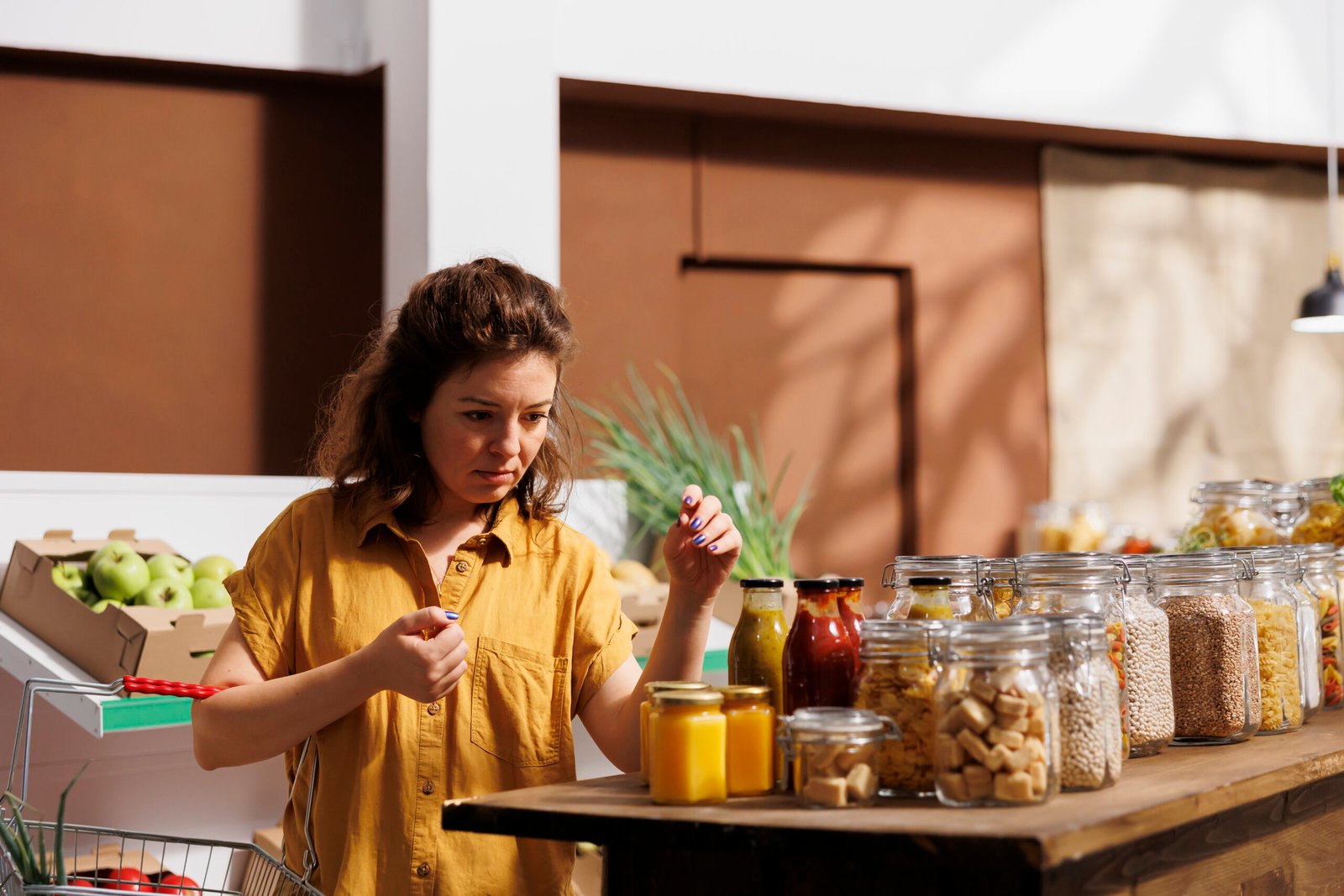
A simple pantry helps you save time, reduce stress, and cut waste. Many homes struggle with crowded shelves and unused items. You can fix this with a clear plan. You can shape your pantry into an easy space that supports your cooking routine. You can make every shelf work for you. Neon Shapes often highlights the value of simple systems for daily tasks, and pantry work fits well into that approach.
Start With a Full Clear Out
You begin by emptying every shelf. This gives you a full view of what you own. You check expiry dates. You remove damaged items. You keep only what you use. This step helps you understand your current stock. You see where you buy duplicates. You also see where you store things that you never use.
Keep a bin and a donation box nearby. You place expired items in the bin. You place unused but safe items in the donation box. This helps you clear space fast.
Sort Items by Daily Use
You group your items based on how often you use them. You place daily cooking items at eye level. You place snacks on lower shelves for easy access. You place seasonal items on top shelves. This setup reduces the time you spend searching.
Many homes benefit from simple categories. Examples include grains, spices, canned food, baking supplies, and snacks. You choose clear categories that match your kitchen style.
Use Clear Storage Containers
You transfer items into clear storage containers. This helps you see what you have. You prevent spills. You make your pantry look neat. You label each container with the name of the item. You also add the restock date. You avoid complicated labels. You keep the wording short.
Choose stackable containers. They save space. They help you manage your shelves better. They also reduce visual clutter.
Create a Shelf Plan
You design a layout that supports your daily routine. You follow a simple structure. You place heavy items on the lower shelves. You place light items on the upper shelves. You reserve one shelf for quick meals, such as soups and ready mixes. You reserve another shelf for baking supplies if you bake often.
This plan keeps your pantry consistent. You avoid shifting items daily. You know where everything belongs.
Add a Door Organizer
A door organizer helps you use extra space. You can store spices, foil, wraps, and small snacks. You pick a sturdy organizer with adjustable pockets. You avoid overpacking it. You keep only small items on the door.
Door organizers work well in narrow pantries. They help you expand without adding extra shelves.
Use Bins for Grouping
You place small items in bins. You choose bins with handles for easy pull-out access. You label each bin with a simple name. You avoid mixing categories. You reserve one bin for pasta. You reserve one bin for snacks. You reserve one bin for sauces.
This structure keeps your shelves neat. Hub Blogging often talks about simple grouping as a way to improve home spaces, and bins support that idea well.
Create a Restock Routine
You check your pantry once a week. You list items that need restocking. You avoid buying duplicates. You keep a small notepad inside the pantry. You add items to the list when they run low.
This improves your shopping routine. You arrive at the store with a clear plan. You avoid unnecessary purchases.
Use Vertical Space
You add risers for spices and cans. You add under-shelf baskets for light items. You add shelf dividers for tall products. Vertical tools help you increase storage without creating clutter.
You keep the setup simple. You avoid buying tools that you do not need. You choose reliable items that fit your shelf size.
Store Spices Together
You group spices by type. You keep them in the same spot. You choose a rack or a shallow bin. You label the tops of the jars. You keep the spices near eye level.
A simple spice zone improves cooking flow. You avoid searching across multiple shelves.
Keep Snacks Easy to Access
You place snacks at a reachable height. You use small bins for chips, crackers, and energy bars. You avoid mixing adult and kids snacks if you have children. You keep the bins clean. You rotate snacks often.
This setup supports quick access. It helps you reduce clutter in other parts of the kitchen.
Use a First In, First Out System
You place new items behind older ones. This helps you use products before they expire. You check dates during every restock. You track items like bread, cereal, sauces, and canned food.
This system reduces waste. It keeps your pantry fresh.
Limit Bulk Buying
Bulk buying works only when you have space and use the items often. You avoid buying bulk items that take up space. You choose bulk products that match your cooking habits. You store extras on a high shelf.
This keeps your pantry from overcrowding.
Keep a Small Overflow Section
You create one small section for overflow items. This section can hold extra oil bottles, sauces, or canned goods. You do not let this section grow beyond one shelf. You keep it simple.
This helps you maintain order without stress.
Do a Monthly Deep Check
You do a full check once a month. You wipe the shelves. You check dates. You adjust the layout if needed. You remove empty containers. You update your labels.
This keeps your pantry fresh and functional.
Connect Pantry Setup With Meal Planning
You use your pantry to guide your meal plan. You check what you already have. You select meals that use your current stock. You reduce food waste. You create faster meal ideas.
This turns your pantry into an active part of your routine.
Keep Kids-Friendly Zones if Needed
If you have children, you give them a small snack zone. You place safe items there. You use shallow bins. You keep the zone at a reachable height. You avoid mixing adult snacks in their zone.
This setup keeps the pantry organized and safe.
Add a Small Prep Zone if You Have Space
You add a small tray for oils, salt, pepper, and quick-use items. You keep this zone neat. You choose only items you use often. You avoid overcrowding.
This helps you cook faster. You avoid searching for basic items.
Train Your Household on the System
You explain the setup to your household. You show them the categories. You point out where to place items. You keep the system simple enough that everyone can follow.
This keeps your pantry consistent.
Keep the Look Clean
You avoid too many colors and patterns. You choose neutral storage items. You keep labels simple. This gives your pantry a clean look.
A clean pantry helps you stay motivated to maintain it.
Final Thoughts
A simple pantry gives you more space, less stress, and better meal planning. When you create a clear structure, you make the space easier to manage. With support from resources like Blogging Fort that explain basic home systems, you can keep your pantry efficient without extra effort.
