
Key Takeaways
- Start by analyzing your water quality to determine which contaminants need to be addressed.
- Different filtration technologies are optimized to remove various impurities.
- Factors like flow rate, filter replacement frequency, and third-party certification make a system more reliable and practical.
Clean, safe drinking water is fundamental to your family’s health. With contaminants ranging from chlorine and heavy metals to bacteria and sediment present in many municipal and well water sources, taking control of your water quality at home is essential. If you live in an area where water quality is a concern, exploring a suitable water filtration system Tampa can help protect your household.
The choice of a filtration system depends on understanding the composition of your incoming water and your specific priorities for taste, safety, and convenience. Navigating the selection among dozens of technologies and system designs can seem overwhelming, but identifying the right solution ensures lasting peace of mind and ongoing savings by reducing reliance on bottled water.
Before making a decision, you’ll want to evaluate both your current water situation and your family’s usage needs. This article provides a comprehensive guide to help you identify the most effective filtration system for your home’s unique circumstances and highlights the latest advancements to watch for.
Local utilities provide annual water quality reports, and there are also reliable home test kits that pinpoint the contaminants present in your supply. Armed with this data, you can select a filtration system that directly targets the substances that matter most to your health.
Assess Your Water Quality
Begin by investigating what’s in your tap water. Municipal suppliers are required to publish Consumer Confidence Reports (CCR) every year, detailing local water quality and any contaminants found above health-based thresholds.
If your household water comes from a private well, consider sending a sample to a certified laboratory or using a comprehensive home-testing kit to check for risks such as heavy metals, agricultural runoff, or microorganisms. The Environmental Protection Agency (EPA) provides further guidance on testing and interpreting results at epa.gov.
Understand Filtration Technologies
Once you know which contaminants you need to address, evaluate these common water filtration technologies:
- Activated Carbon: Removes chlorine, organic chemicals, and improves water taste. Often found in pitcher filters, faucet mounts, and whole-house systems.
- Reverse Osmosis (RO): Reduces dissolved solids, including lead, nitrates, and some viruses. However, RO can strip water of certain beneficial minerals and generate some wastewater during the process.
- Ultraviolet (UV) Purifiers: Destroy bacteria, viruses, and other pathogens, but do not remove chemicals or sediment. Best paired with another filter if biological contamination is a concern.
- Ceramic Filters: Block bacteria and sediment, suitable for basic filtration needs with limited chemical removal.
- Ion Exchange: Removes minerals such as calcium and magnesium (water softening) or specific ions like nitrate.
Consider System Types
Water filtration systems come in several configurations, each offering pros and cons depending on your goals and water quality concerns:
- Point-of-Use Systems: Designed for drinking water at a specific tap. These include countertop pitchers, faucet attachments, and under-sink units. They are affordable and easy to install, making them ideal for renters or those seeking filtered water primarily for drinking and cooking.
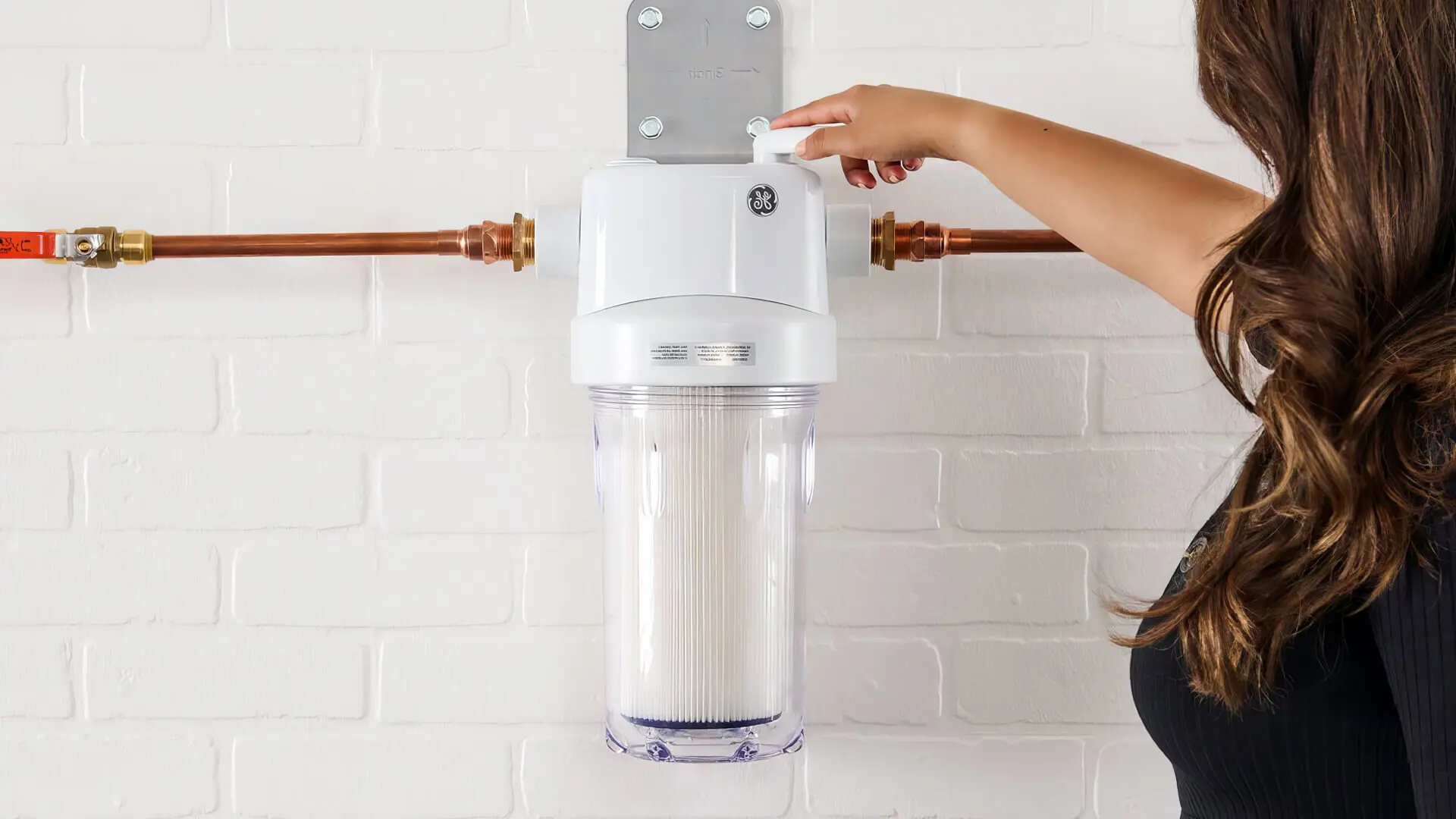
- Whole-House (Point-of-Entry) Systems: Treat all water entering the home, protecting appliances, plumbing, and all water-using activities. These units typically address sediment, chlorine, and hardness, and are best for homeowners seeking comprehensive protection. Professional installation ensures system sizing matches household water demands.
Evaluate Key Factors
To ensure the filtration system suits your needs, assess these criteria before making a purchase:
- Contaminant Removal: Match the system’s capability to the concentrations of specific contaminants identified by your water report or test results.
- Flow Rate and Water Pressure: A system should provide enough flow for your greatest daily demands. For instance, high-capacity RO units are necessary for large families or simultaneous water use.
- Maintenance Requirements: Some filters require frequent cartridge changes, while others only need annual or biennial servicing. Understand ongoing costs and set reminders to maintain peak performance.
- Certifications: Look for third-party certification, such as NSF/ANSI or Water Quality Association Gold Seal, to validate performance claims. Certification ensures the system has been independently tested for contaminant removal and structural integrity.
Stay Informed About Innovations
The home water filtration market continues to introduce new models and advanced features. For example, compact RO systems now include remineralization cartridges to return healthy minerals lost during filtration, and many new models offer digital displays or app-based filters that alert you when replacements are due.
Smart water monitoring and filter life alerts help ensure you never miss essential maintenance. Staying updated on these trends makes it easier to select a system that’s efficient, easy to maintain, and environmentally conscious.
Practical Tips for Selection and Maintenance
To get the best performance from your investment:
- Test water or obtain the CCR to identify main risks, then choose a filter certified to remove them.
- Compare product certifications and warranties before you buy, looking for valid third-party validation.
- Calculate the total cost of ownership, including replacement filter costs and professional installation if required.
- Create a replacement schedule and set mobile or calendar alerts for cartridge changes, as neglecting this step allows contaminants to return to your water.
- Read installation instructions carefully. While countertop or faucet systems are generally DIY-friendly, whole-house models typically require a professional plumber for correct sizing and installation.
Mastering these steps will keep your water fresh, safe, and great-tasting throughout the year.
Conclusion
Choosing the right water filtration system is a process that blends understanding your water’s unique characteristics with evaluating filtration technologies, household needs, and certification standards.
Thorough research, careful comparison of verified product claims, and proper ongoing maintenance are the keys to cleaner, safer water for your family for years to come. For more tips and in-depth health information about drinking water safety, check out the Centers for Disease Control and Prevention (CDC) guide.
