
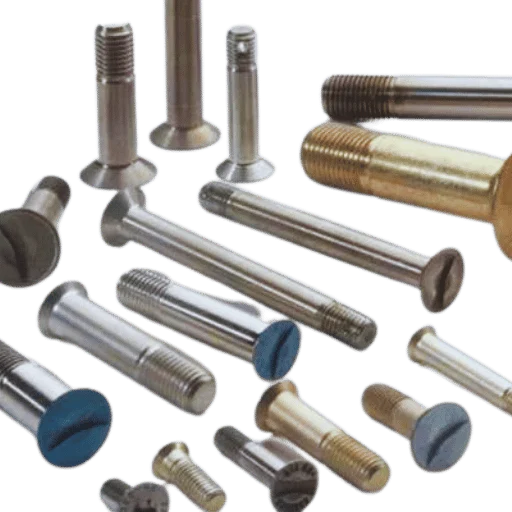
Key Takeaways:
- Understanding the critical role of aerospace fasteners in aircraft safety and performance.
- Exploring various types of fasteners and their specific applications.
- Recognizing the importance of material selection in fastener manufacturing.
- Addressing challenges in fastener availability and standardization.
- Highlighting recent innovations in aerospace fastening technology.
Aerospace fasteners are integral to the structure and safety of modern aircraft, ensuring that components remain securely joined under demanding conditions. Even the most advanced aircraft rely on these small yet vital parts to withstand vibration, temperature fluctuations, and high loads throughout their operational life.
Selecting the right fastener type, using high-quality materials, and working with top fastener distributors are all pivotal steps that support aircraft integrity and performance from takeoff to landing.
Because aircraft structures are subjected to such extreme environments, the failure of a single fastener could threaten not only the airframe’s performance but also the safety of crew and passengers.
This is why engineers and procurement teams place such a strong emphasis on fastener quality, availability, and compliance with the latest standards in aerospace manufacturing. Each fastener category plays a specific role in maintaining the aircraft’s structural resilience.
The aerospace industry faces unique challenges in sourcing and standardizing fasteners. Given global supply chains and stringent regulatory requirements, ensuring timely access to verified parts is essential for smooth operations and continued innovation in the sector.
The ongoing evolution of aerospace fastening technology has led to significant advances in assembly efficiency and load-bearing performance. The latest fastening systems not only speed up maintenance procedures but also enhance the overall reliability and longevity of critical aircraft components.
Types of Aerospace Fasteners
There is a vast array of fasteners used across the aerospace sector, each engineered for specific applications and performance requirements:
- Bolts and Screws: These fasteners are designed for robust, removable connections in high-stress areas such as wing, fuselage, and engine assemblies. Their versatility and reusability make them essential for routine aircraft maintenance and inspections.
- Rivets: Primarily used in permanent joints, they are extensively used in aircraft skins and fuselage structures. They offer reliable strength with a relatively lightweight design, making them well-suited for supporting large surface panels.
- Pins: Used to achieve precise alignment in the assembly of aerospace parts, pins prevent misalignment and play a key role in maintaining the operational tolerance of intricate systems.
- Collars and Nuts: Working hand in hand with bolts and screws, these components help prevent loosening under continuous vibration. Their design ensures ongoing joint integrity through repeated cycles of stress and load.
Understanding the distinguishing factors among these fastener types is fundamental for engineers tasked with selecting the right component for each critical connection in an aircraft’s architecture.
Material Selection in Fastener Manufacturing
The choice of materials used in aerospace fastener manufacturing profoundly influences performance. Each application mandates a tailored balance of weight, strength, corrosion resistance, and material compatibility:
- Aluminum Alloys: Valued for their light weight and corrosion resistance, aluminum fasteners are often used in non-load-bearing areas or where weight reduction is a primary concern.
- Steel Alloys: Steel offers superior strength but introduces added weight. High-strength steel fasteners are typically reserved for critical joints that are subject to elevated mechanical stress.
- Titanium Alloys: Combining excellent strength-to-weight ratios with corrosion resistance, titanium fasteners are often the material of choice for vital aircraft systems.
- Nickel-Based Superalloys: Specially developed to withstand high temperatures, these alloys are indispensable in the hottest regions of the engine, ensuring performance even during maximum-thrust operations.
Material selection is not only about strength. Engineers must consider the potential for galvanic corrosion when fasteners interface with dissimilar metals.
Challenges in Fastener Availability and Standardization
Despite comprehensive industry standards, aerospace manufacturers frequently encounter issues with fastener procurement. Shared part numbers do not guarantee global availability, and variable lead times can disrupt workflows. Close collaboration with reliable vendors and proactive forecasting are required to prevent shortages and costly delays.
Standardization brings significant advantages, but it also creates dependencies on highly specific supply chains. The challenge is compounded by ever-evolving requirements from regulatory bodies and original equipment manufacturers, which require continual updates to inventory and sourcing practices.
Innovations in Aerospace Fastening Technology
The aerospace fastener industry has responded to persistent performance and efficiency demands with innovative new product lines:
- Hi-Lok Pins: These fasteners are uniquely designed to provide a consistent clamping force, minimizing variability and reducing the potential for installation error. Their design streamlines maintenance procedures and enhances safety margins.
- Lockbolts: Used increasingly in primary structural assemblies, they deliver exceptionally strong, vibration-resistant joints. They are favored in both new-build aircraft and retrofitting projects for their reliability.
- Quick-Release Fasteners: By enabling rapid panel removal and installation, these fasteners provide faster access during scheduled maintenance or emergency repairs. This helps keep aircraft grounded for shorter intervals, enhancing operational efficiency.
As the next generation of aircraft demands higher reliability with less downtime, these technological advancements continue to push the boundaries of productivity and safety in aerospace engineering.
Conclusion
Aerospace fasteners, though frequently overlooked, are at the very core of aircraft performance, safety, and reliability. The ability to select the right fastener for the job, navigate material and sourcing challenges, and adapt to the fast-paced innovation in fastening technology is what enables aerospace professionals to keep aircraft flying safely and efficiently into the future.
