
Key Takeaways
- Floral arrangements significantly influence the atmosphere and flow of an event.
- Current trends emphasize sculptural installations and sustainable practices.
- Integrating florals into the event’s infrastructure enhances guest engagement.
Floral design plays a pivotal role in transforming events from ordinary gatherings into memorable experiences. Flowers, when thoughtfully arranged, can set the mood, guide guests through a space, and reinforce the event’s overall theme. If you are seeking inspiration and the work of experts in this field, visiting the best flower shop Houston TX can provide a variety of creative ideas and examples.
Whether for weddings, corporate events, or intimate celebrations, florals have the unique ability to influence emotions, create focal points, and ensure every aspect of a space feels intentional. Their colors, textures, and placement have a subtle yet profound effect on guest experience, making them essential to modern event design.
The Impact of Floral Design on Event Atmosphere
Flowers are much more than mere decorations. They are instrumental in establishing the ambiance of an event, whether you are seeking an opulent celebration or a minimalist gathering.
Soft, neutral palettes can create a calm and romantic setting, while bold colors and dramatic arrangements energize a space and inject personality. By aligning floral selections with the event’s tone, planners ensure the design supports the overall vision and atmosphere, contributing to the emotional imprint guests take home with them.
The choice of flowers, their colors, and their arrangements all send visual cues that influence how guests feel and interact in a space. For example, large-scale installations can add grandeur to a gala, while delicate, small arrangements may provide a sense of coziness for more intimate occasions. Understanding how florals set the stage is crucial for event professionals aiming to deliver an unforgettable experience.
Guiding Guest Experience Through Floral Arrangements
Strategic placement of floral designs is about more than aesthetics. It can also direct guests’ attention and movement. Ceremony arches, entryway installations, and statement centerpieces naturally highlight important areas such as altars, head tables, or performance stages. These designs support the event’s narrative and flow, helping guests navigate the venue intuitively while reinforcing the planned aesthetic.
Additionally, statement floral pieces and walkways lined with blooms offer visual cues that guests unconsciously follow. Integrators often utilize these tactics in event design, blending form and function to subtly guide attendees through the event experience.
Current Trends in Floral Design
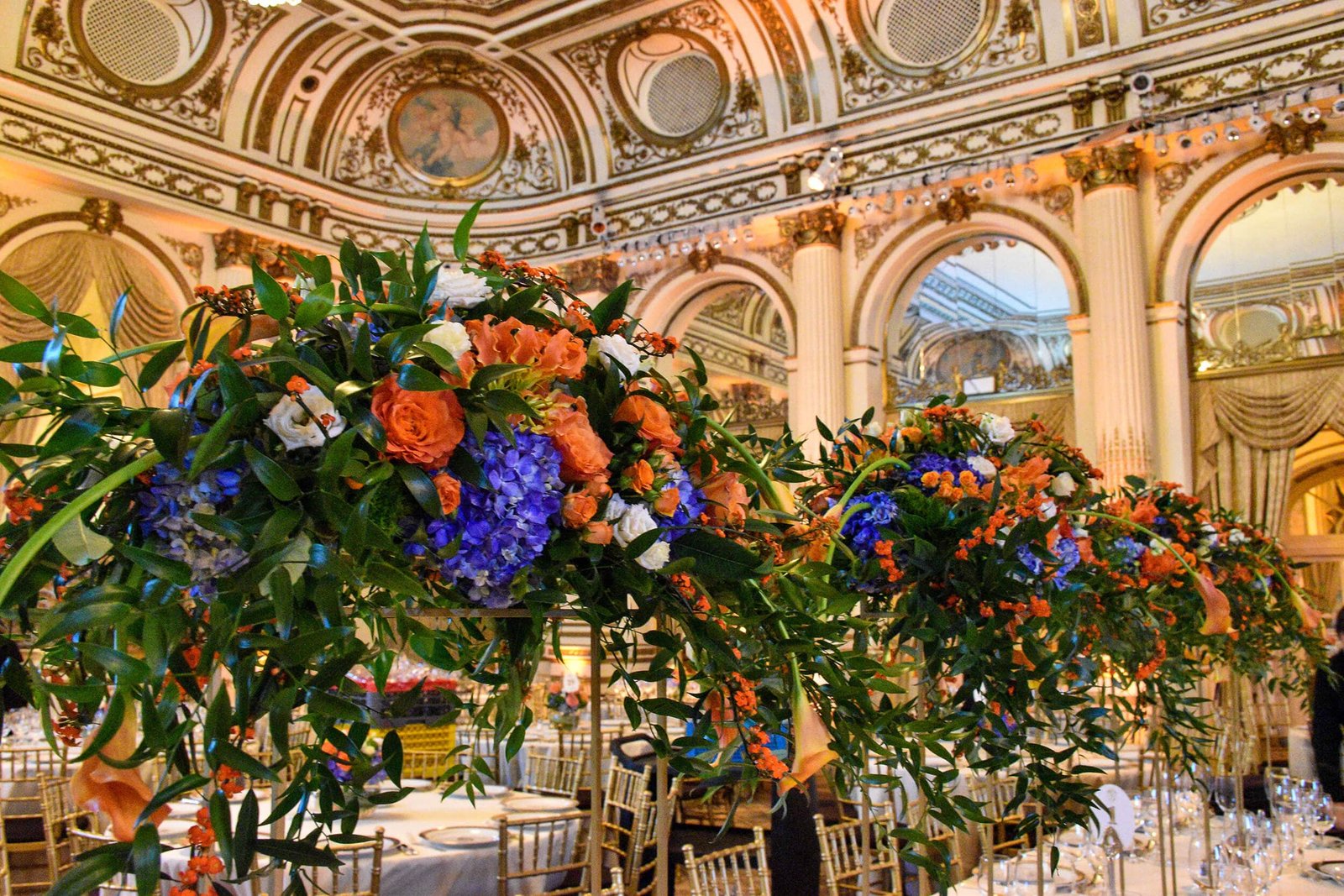
Modern floral design is experiencing a renaissance with sculptural and asymmetrical arrangements gaining popularity. Contemporary designers treat florals as three-dimensional art, moving beyond traditional symmetrical bouquets to create installations that command attention and capture natural light beautifully.
These trend-forward designs can serve as experiential assets, blending art, nature, and architecture to transform how guests perceive a space.
The use of non-traditional materials, such as dried florals, branches, and even fruits, adds unexpected texture and character. Designers also frequently choose floral varieties sourced according to season and locality, highlighting the connection between the event and its geographic and cultural setting. This approach keeps the design fresh, relevant, and engaging for everyone attending.
Integrating Florals into Event Infrastructure
Incorporating flowers into the infrastructure of an event space right from the planning stage ensures cohesion and practicality. Collaborating with structural and floral designers allows for seamless integration with lighting, furniture, and other decor elements. This synergy not only creates harmony in design but also improves logistical predictability, streamlining the transition from vision to actual execution.
When florals are engineered together with structural elements (such as hanging installations that need specific weight management or floral walls requiring sturdiness and access), the results are both innovative and practical. This kind of advanced planning maximizes the visual and experiential impact while staying aligned with budgetary and spatial limitations.
Sustainability in Floral Design
Sustainability is at the forefront of today’s floral industry. More event designers are pivoting toward using locally sourced, seasonal blooms and avoiding non-biodegradable materials. Practices such as foam-free arrangements, compostable packaging, and recycling florals post-event are becoming increasingly common.
This approach benefits not just the environment but the event itself, imbuing the design with authenticity and freshness that resonates with attendees who value ethical choices.
Further, sustainable practices add a layer of story and purpose to the event. Guests are often more engaged and appreciative when they know that the beauty surrounding them was achieved with consideration for the planet. As awareness of environmental impact grows, these practices are likely to shape the industry for years to come.
Collaborating with Professional Floral Designers
Working with seasoned floral designers can transform the entire process of event planning. These professionals bring a refined perspective, helping clients articulate their vision and translating abstract concepts into breathtaking realities.
A skilled florist understands how to use botanical elements to complement other facets of the event, ensuring the floral narrative aligns with culinary offerings, lighting, and furniture choices for a unified and immersive guest experience.
Moreover, professional designers are adept at problem-solving under time or budget constraints, providing creative solutions while maintaining design integrity. Ultimately, this partnership is key to producing highly memorable and visually cohesive events, elevating the entire guest journey from arrival to send-off.
Conclusion
Floral design has the unique ability to shape both the atmosphere and experience within event spaces. By thoughtfully selecting and incorporating floral elements, anyone can create an environment that is not just beautiful but memorable and immersive.
As trends shift toward sustainability and dynamic installations, the artistry and impact of floral design will continue to grow, ensuring that every gathering tells a compelling and unforgettable story through flowers.
