
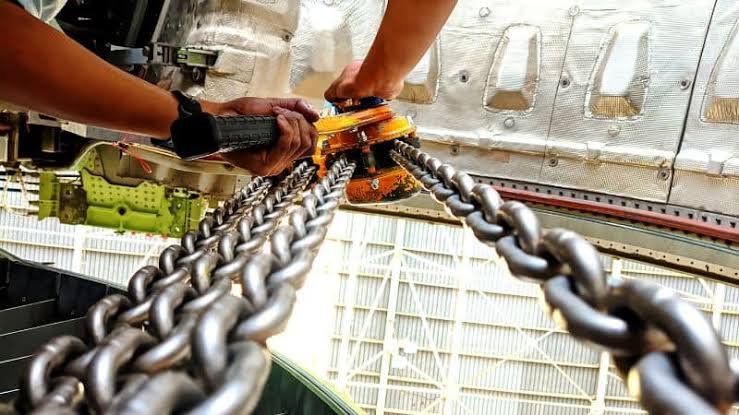
Industrial lifting equipment is expected to deliver dependable performance in demanding working environments. Chain slings are commonly used for lifting machinery, construction materials, steel products, fabricated structures, and industrial components. While these lifting accessories are designed for heavy-duty applications, their condition and performance depend heavily on proper inspection, handling, maintenance, storage, and correct operation. For businesses searching for reliable Chain Slings Melbourne, effective equipment management is just as important as selecting a suitable product.
Regular inspection should be the first step in maintaining chain slings. Before every lifting operation, operators should examine the chain for visible signs of damage or deterioration. This may include excessive wear, cracks, corrosion, deformation, stretching, damaged links, or other abnormalities. Early identification of defects can help prevent unsuitable equipment from being used during lifting operations.
Hooks, master links, connecting links, and other components should also be inspected carefully. A chain sling is a complete lifting assembly, and every component needs to remain suitable for the intended application. If any part shows significant damage or its condition is uncertain, the sling should be removed from service and assessed by a competent person before being used again.
Correct operation is another important factor in extending equipment life. Schutts Industrial Chain Slings in Melbourne should always be used within their specified working load limits. Overloading can place excessive stress on the chain and associated components, potentially resulting in damage or failure. Operators should also consider the lifting angle, configuration, attachment method, and characteristics of the load when preparing a lifting operation.
Storage has a significant impact on the condition of lifting equipment. Chain slings should be stored in a suitable, organised location away from unnecessary moisture, corrosive substances, chemicals, contamination, and physical damage. Leaving chains on the ground or in unsuitable areas can increase the possibility of corrosion, deformation, or other damage. Proper storage also makes equipment easier to identify and inspect before its next use.
Cleaning may also be necessary when chain slings become contaminated with dirt, dust, oils, or other industrial substances. Cleaning methods should be appropriate for the particular sling and its components. Businesses should follow suitable manufacturer and workplace procedures rather than using methods that could potentially damage the equipment.
Schutts Industrial provides industrial products designed to support businesses operating in demanding environments. Working with an experienced supplier can help companies select appropriate lifting products and understand important considerations related to their intended applications.
Employee training is another essential part of chain sling maintenance. Workers should know how to inspect lifting equipment, recognise obvious signs of damage, understand working load limits, select suitable configurations, and follow established workplace lifting procedures. Proper training helps ensure that equipment is handled responsibly throughout its working life.
Businesses may also benefit from maintaining inspection and maintenance records where required by their workplace procedures and applicable requirements. Keeping appropriate records can help organisations monitor equipment condition, identify recurring problems, and establish more organised inspection practices.
Avoiding unnecessary misuse is equally important. Chain slings should not be dragged across rough surfaces, subjected to inappropriate impacts, exposed to unsuitable conditions, or used for purposes outside their intended application. Responsible handling can help minimise unnecessary wear and prolong equipment usability.
For companies using Chain SlingsMelbourne, long-term performance depends on more than the initial quality of the product. Regular inspection, correct operation, suitable storage, employee training, responsible maintenance, and appropriate handling all contribute to reliable lifting operations. By implementing consistent equipment management practices, businesses can support safer and more efficient heavy-duty material handling.
