
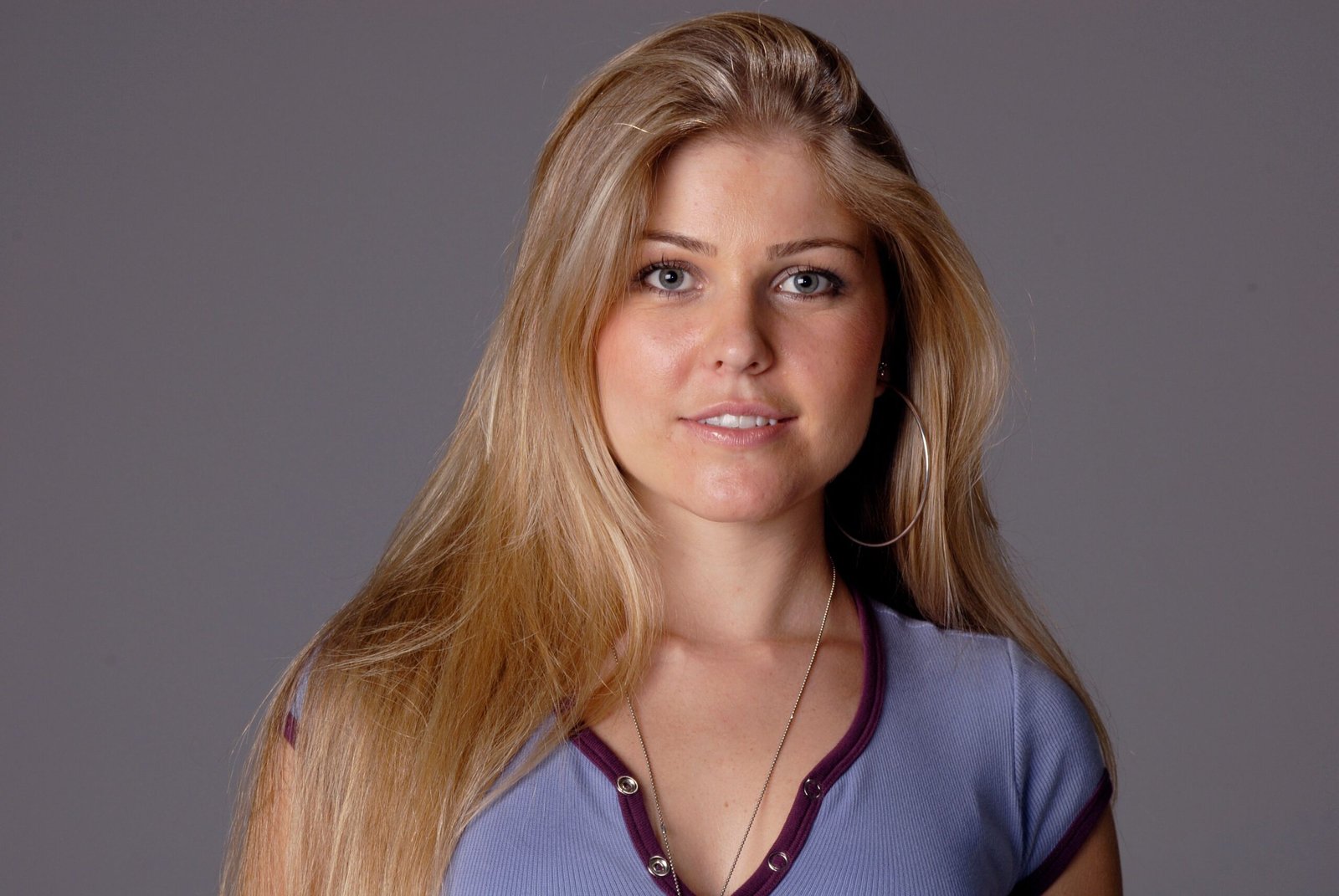
Monika leveski is a common search spelling used by readers looking for Monica Lewinsky’s biography. The incorrect version may appear in article titles, social media posts, and search suggestions, but Monica Lewinsky is the correct name of the public figure.
Her biography cannot be understood only through the political scandal that made her famous. Her later life includes education, writing, public speaking, anti-bullying work, and television production.
This article looks at her journey beyond the headlines. It explains how she moved from being the subject of a global media story to becoming a person who speaks about empathy, digital safety, and the consequences of public humiliation.
Correcting the Monika Leveski Search
Search engines often connect misspelled terms with the intended person. This is useful, but it can also encourage websites to publish content under the wrong name.
The correct details are:
| Search Detail | Correct Information |
| Common wrong spelling | Monika Leveski |
| Correct spelling | Monica Lewinsky |
| Main public identity | Writer, speaker, activist, producer |
| Early public attention | Political controversy in the 1990s |
| Later focus | Online shame and cyberbullying |
| Education field | Psychology and social psychology |
| Important message | Empathy and responsible digital behavior |
Using the correct spelling shows respect and improves factual accuracy.
Early Years
Monica Lewinsky grew up in California. She completed her education in psychology and later moved to Washington, D.C., where she worked as a White House intern.
At that time, she was a young adult at the beginning of her working life. The private relationship that later became public involved one of the most powerful people in the world.
When the story emerged, Monica lost control over how others discussed her identity.
The Political Controversy
The relationship became connected with a legal and political investigation involving President Bill Clinton. The issue led to national debate and impeachment proceedings against the president.
However, Monica experienced a different form of exposure. Media organizations examined her appearance, personality, family, private conversations, and behavior.
The story became both political news and mass entertainment.
This combination made her one of the most recognized women of the period, but recognition did not provide the opportunities usually associated with fame.
Living With a Permanent Headline
A headline normally describes one moment. Search engines can turn that moment into a permanent identity.
For Monica, job applications, introductions, interviews, and ordinary social situations could bring people back to the same controversy.
This creates an important problem in digital culture. The internet remembers information, but it does not always show growth, context, or proportion.
A person may complete new education, develop professional skills, support social causes, and create meaningful work. Yet old content may still dominate search results.
Education and Reflection
Monica later studied social psychology. This field gave her a way to explore the relationship between individuals and social pressure.
Her experience involved many social forces:
- Political institutions
- News organizations
- Public opinion
- Group behavior
- Humor and ridicule
- Gender expectations
- Reputation
- Power differences
Studying these areas helped connect her personal experience with wider social questions.
Returning on Her Own Terms
Monica eventually returned to public discussion through writing and speaking. This return allowed her to describe what public humiliation felt like from inside the story.
She did not deny the past. Instead, she challenged the idea that one event should control the rest of a person’s life.
This difference matters. Accountability recognizes an action, while permanent humiliation removes the possibility of growth.
Her work asks society to create space for both responsibility and human dignity.
Monika Leveski and the Cost of Incorrect Content
The misspelled keyword creates another layer of inaccurate information. Some articles claim that Monika Leveski has a separate career in art, education, branding, photography, or technology.
Readers should ask for evidence before accepting these descriptions.
Look for:
Portfolio evidence: A real artist or photographer should have traceable work.
Employment records: A professional profile should identify actual organizations or positions.
Public interviews: A known creative figure should usually have direct comments or appearances.
Consistent identity: Reliable pages should agree on basic facts such as occupation and background.
When these elements remain absent, the biography may be fabricated.
Her Message About Shame
Public shame can move quickly from criticism to cruelty. It can include name-calling, threats, invasive questions, edited media, and repeated personal attacks.
Monica argues for a culture that recognizes the human cost of this behavior.
Her message does not ask users to ignore wrongdoing. It asks them to avoid turning punishment into endless entertainment.
This distinction can improve discussions about public figures, students, workers, creators, and ordinary social media users.
Becoming an Upstander
A bystander watches abuse without acting. An upstander takes a safe and constructive step.
An upstander may:
- Report an abusive account
- Correct false claims
- Offer private support
- Avoid sharing humiliating content
- Ask others to stop
- Save evidence of threats
- Contact a moderator
- Support fair discussion
The goal is not to start another aggressive argument. It is to reduce harm and restore basic respect.
Writing and Public Communication
Writing gave Monica a way to develop her ideas in greater depth. She could explain the difference between a headline and a whole human life.
Public speaking also allowed audiences to hear her voice directly. Tone, emotion, and personal reflection can add meaning that short news summaries often remove.
Her talks became useful material for discussions about:
- Digital citizenship
- Media responsibility
- Bullying
- Reputation
- Privacy
- Compassion
- Gender
- Power
Teachers and parents can use these topics to help young users think before posting.
Production and Cultural Retelling
Monica’s production work shows another stage in her public journey. A producer helps shape the presentation of a story, including its themes, structure, research, and viewpoint.
Historical events often change meaning when society revisits them. Later audiences may notice power differences, media bias, or gendered treatment that received less attention at the time.
Monica’s participation adds personal knowledge to these retellings.
What Readers Can Learn
Her story provides several practical lessons:
- A viral story involves real people
- Private information can create permanent damage
- Media language shapes public judgment
- Young people can face unequal power
- Online audiences share responsibility
- A person can build a new identity
- Empathy can exist with accountability
- Accurate biography writing matters
These lessons remain relevant in the age of social media.
Important FAQs About Monika Leveski
Who is the person behind the monika leveski keyword?
Most users mean Monica Lewinsky.
What made Monica Lewinsky famous?
She became known through a political controversy involving President Bill Clinton during the 1990s.
What did she do after the controversy?
She continued her education and later worked in writing, public speaking, advocacy, and production.
What causes the spelling mistake?
Users may spell the name according to its sound or copy an incorrect version from another page.
Does she campaign against cyberbullying?
Yes, her public work strongly addresses cyberbullying, humiliation, and online empathy.
Why should articles correct the keyword?
Correcting it prevents misinformation and helps readers find the documented public figure.
Conclusion
The monika leveski biography search leads to Monica Lewinsky, whose life includes much more than the political headlines of the 1990s. Her later work addresses online cruelty, shame, empathy, privacy, and media responsibility.
Her journey shows that people can reclaim their stories and build meaningful work after intense public judgment. Writers should use the incorrect keyword carefully, explain the correct spelling, and avoid spreading unsupported biographies.
